

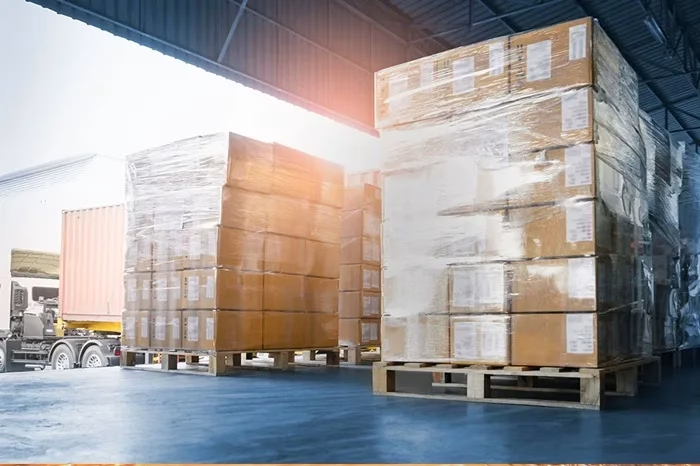
Understanding LTL shipping doesn’t need to be hard. This guide will clear up common questions about compliance and packaging. You will learn why choosing the right packaging keeps items safe. This means fewer damages and happier customers. Also, knowing the rules helps avoid costly fines. LTL shipping is more than just loading items on a truck. There are rules to follow, and understanding them is key. Many look at ltl delivery service reviews to pick the best service. But knowing the requirements can make all the difference. You will see how to pack items to fit the rules and save money. You will also see why sticking to regulations avoids unwanted surprises. The right approach to LTL shipping brings peace of mind. Ready to take the guesswork out of LTL shipping? Let’s make it simple and clear. Your shipping success starts with understanding these basics.
Why Compliance Matters
Compliance ensures that your shipments meet federal and state regulations. Meeting these standards avoids fines and delays. You want to keep your business running smoothly without interruptions. Proper compliance means safer transportation of goods. The Federal Motor Carrier Safety Administration provides guidelines for LTL shipping. Following these rules protects both your cargo and people involved in the shipping process.
Essential Packaging Requirements
Packaging plays a crucial role in LTL shipping. It affects the safety and stability of shipments. Choosing the right materials prevents damages. Here are three key points:
- Use sturdy boxes to protect items.
- Secure items with straps or shrink wrap.
- Label packages clearly with addresses and handling instructions.
The USA.gov website offers resources that help you find the best practices for packaging. Proper packaging not only reduces damage but also increases efficiency.
Understanding Costs and Savings
Costs in LTL shipping depend on several factors. These include weight, size, and distance. Packaging can affect these factors. Proper packaging can reduce your shipping weight and save money. Here’s a simple comparison table to illustrate:
| Factor | Poor Packaging | Proper Packaging |
|---|---|---|
| Weight | Increases due to bulk | Optimized packaging reduces weight |
| Damage Rate | Higher risk of damage | Lower risk of damage |
| Cost | Higher due to extra weight and damages | Lower with efficient packaging |
Steps to Ensure Compliance
Ensuring compliance involves several steps. Here is a simple checklist:
- Check federal and state regulations regularly.
- Train staff on compliance and packaging standards.
- Regularly inspect packaging materials for damage or inefficiency.
Keeping up-to-date with regulations protects your business from fines and enhances reputation.
Common Mistakes to Avoid
Here are common pitfalls and how to avoid them:
- Ignoring updates to regulations. Always stay informed.
- Using outdated packaging methods. Invest in modern solutions.
- Overloading shipments to save costs. It often leads to damages.
Avoid these mistakes to ensure smooth and compliant shipments.
Final Thoughts
LTL shipping involves more than just transportation. Compliance and proper packaging are essential. They protect your goods and business from unexpected issues. By understanding the requirements and following best practices, you ensure successful and cost-effective shipping. Use the resources provided to stay informed and ahead of the curve. Your shipments will be safer, and customers happier when you prioritize compliance and packaging.