
Trade shows are still recognized as one of the most effective platforms for building brand awareness, generating interesting conversations, and attracting high-quality leads. By no means should this be confused with luck. The success of a trade show is the combined effort of marketing that began long before the doors of your trade show opened and will continue long after the show has ended. Trade show marketing would include Promotion, Planning Trade Show Booths, Engagement, and Follow-Up. With proper planning for Trade Show Rental Booths, Brands can also add an opportunity for flexibility and cost efficiency, allowing Brands to design their resources on the strategy rather than their logistics. Trade Show Marketing approaches that are planned carefully create a closed-loop cycle of growth instead of just one day at a show.
Five Marketing Strategies That Deliver Trade Show Wins
Build Early Momentum with a Used Trade Show Booth Strategy
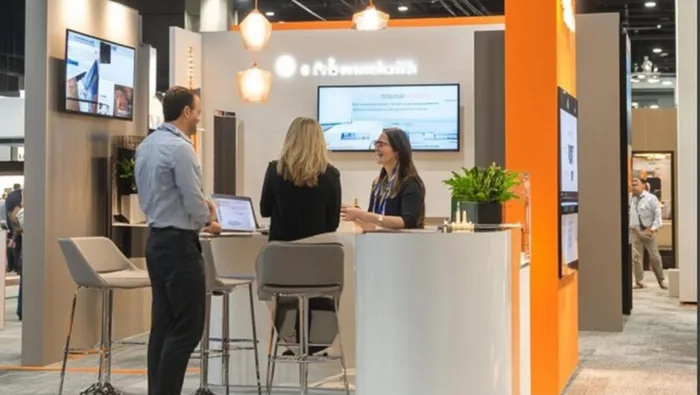
The buzz for a show starts with a level of confidence or trust in the exhibit itself. A used trade show booth that has been revitalized through updated artwork and messaging can become a great starting point for pre-show promotion. A sneak peek of the visual look, booth set-up process and experience can be emailed or shared on social networks, creating buzz before the show opening. Early visibility (before the actual day of the show) is an indication of planning and professionalism, encouraging attendees to pre-plan their visit to the exhibit by increasing early traffic.
Align Messaging Across All Pre-Show Channels
Consistency in invitations, landing pages, social media posts and e-mails helps to generate a feeling of intent about your participation in the trade show. Attendees will have a clearer understanding of why they should visit your booth based on your communications: whether they are there for a product launch, live demo or unique experience. Clearly defined action items, such as scheduling meetings and live demos, will help turn curiosity into action. Providing multiple channels of communication will help alleviate confusion and prepare attendees with context and interest.
Design On-Floor Experiences That Encourage Interaction
From the moment the exhibition opens until it closes, the audience must become active participants in the exhibition. Whether through an invitation, through demonstration, through a hands-on interactive exhibit(s), or through an informal dialogue with the exhibitors, the audience will pay attention to the different ways to participate. The openness of layout(s) and the way that exhibitors position themselves and staff, along with their ability to move around their booths freely, all attract attendees to get near their booths. The interactive element of the event will help turn a casual or interest-based connection into a more meaningful conversation; as a result, the direct benefits of interaction will create new opportunities to qualify leads and obtain useful information throughout the event.
Equip Staff for Consistent, Value-Driven Conversations
Personnel in booths are vital to success. Conversations are productive and remain on point by providing booth employees with knowledge of the product(s), clearly defined roles and concise talking points. Employees should be prepared to ask intelligent questions, continue to listen ‘actively’, and direct visitors to follow-up action steps. Building trust early in these conversations is easier when the focus is on ‘investing value in sales’ instead of attempting to pressure them into buying something. In addition, effectively organizing booth teams fosters a pleasant atmosphere for additional and impactful interaction with prospects.
Extend Impact with Structured Post-Event Follow-Up
Once a trade show has concluded, companies find true value and opportunity to build relationships with attendees after the event is finished. After the show, a company’s success in generating new business and growing established relationships is directly correlated with the timeliness of sending follow-up emails, sending personal messages to leads, and sharing relevant content with leads. By targeting leads based on their level of interest or conversation subject matter, companies can increase the relevance and ultimately improve their overall response rate to leads. Showcasing the best moments of a trade show, such as pictures taken during the event, information shared at the event, and highlights from the show, helps to maintain the visibility and relevance of a company’s brand and provide context for subsequent follow-ups. Finally, by preparing a detailed after-action plan, companies can ensure that they maintain momentum long after leaving the trade show floor.
End Point
Targeted marketing can help a company achieve its goals through comprehensive marketing strategies, target person preparation, and follow-up. Targeting shows increases the ability for products to be marketed, creating a buzz in advance of a show, designing an interactive experience in the show booth, engaging employees and providing thoughtful follow-up after the show. Companies can create long-term, consistent sources of product and commercial development by creating a comprehensive marketing plan to maximize show opportunities, regardless of how the show booth may have been created, whether it is an established, previous, or cost-efficient trade show rental booth.