

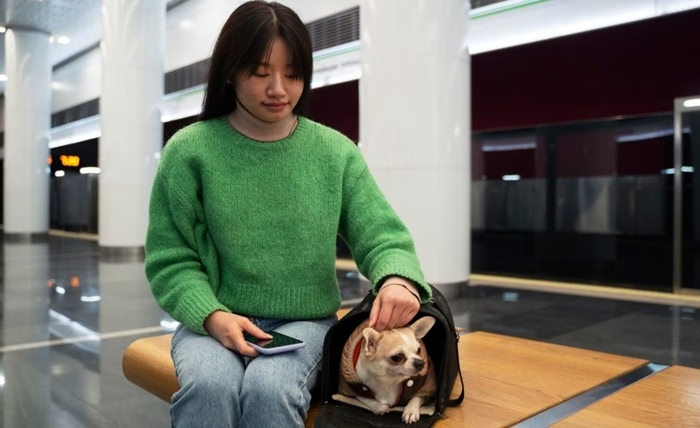
International relocation begins long before departure day arrives. Each destination expects accurate records before granting entry. Missing paperwork often creates delays nobody expects. Families benefit from understanding each requirement before making reservations. Small choices influence comfort throughout the entire journey. Careful planning reduces uncertainty for owners and animals alike. Reliable pet transport services help organize every step with greater confidence. Each stage connects naturally, creating a smoother experience from departure until final arrival.
Smart Planning Builds Travel Confidence
Good preparation starts with realistic timing rather than rushed decisions. Veterinary appointments deserve attention before airline reservations become final. Several destinations require health certificates during specific periods. Those deadlines cannot shift without affecting entry approval. Owners should organize documents before arranging transport details. A written checklist prevents overlooked requirements during busy weeks.
Helpful preparation includes:
- Register the microchip early.
- Update vaccination records promptly.
- Confirm airline crate standards.
- Reserve approved flight space.
- Review destination entry rules.
Each completed task removes uncertainty before departure finally arrives.
Documents Shape Border Approval
Airport inspections focus upon accurate paperwork before anything else. Officials compare identification details against veterinary certificates carefully. Even minor differences create unnecessary questions during clearance. Correct records reduce waiting while protecting planned arrival schedules. Clear organization saves valuable time during inspection procedures.
Essential paperwork often includes:
- Veterinary health certificate.
- Import permit where required.
- Vaccination documentation.
- Microchip registration.
- Owner identification.
Complete records create confidence before customs officers complete their review.
Choosing Suitable Travel Arrangements
Every relocation follows different practical circumstances. Breed, size, health, destination, and season influence planning choices. Young animals often require additional preparation before flying. Larger companions need stronger travel crates during longer routes. Flight availability may change across different seasons.
One family relocated with an older retriever recently. Veterinary guidance shaped every important travel decision carefully. During pet transport, crate measurements, approved handling procedures, and airport coordination remained equally important because each detail protected comfort throughout the entire journey. Their organized preparation reduced waiting after landing and simplified final collection.
Comfort Begins Before Departure
Animals respond positively when familiar routines remain unchanged. Crate training creates reassurance before unfamiliar surroundings appear. Favorite bedding carries familiar scents throughout the flight. Calm handling strengthens trust before airport procedures begin. Regular exercise helps reduce nervous energy before travel.
Simple habits make meaningful differences:
- Offer familiar meals.
- Refresh identification tags.
- Carry favorite blanket.
- Pack essential medication carefully.
Small preparations often produce calmer journeys than expensive accessories.
Arrival Needs Careful Coordination
Landing marks another important step rather than the finish. Customs officers inspect records before releasing arriving companions. Local transport deserves planning before aircraft departure occurs. Waiting arrangements matter because extended airport stays increase discomfort. Clear communication prevents confusion during collection.
Owners should confirm several practical details:
- Collection location.
- Arrival contact number.
- Vehicle readiness.
- Travel crate condition.
Thoughtful coordination keeps the final transfer organized and predictable.
Steady Preparation Creates Better Outcomes
Successful relocation depends upon connected decisions rather than isolated tasks. Accurate records protect border approval from avoidable interruptions. Suitable crates improve comfort throughout extended flights. Early veterinary guidance strengthens confidence before departure begins. Careful scheduling reduces pressure across every travel stage. Families appreciate smoother arrivals because preparation removed unnecessary uncertainty before the journey even started.
FAQs
How early should relocation planning begin?
Three months provides comfortable preparation for most international journeys.
Why does crate training matter?
Familiar surroundings reduce anxiety during unfamiliar travel experiences.
Can every companion remain inside the cabin?
Airline rules depend upon size, species, and destination requirements.
Which document deserves extra attention?
Health certificates require matching identification details before inspection.
Smooth Arrivals Reflect Earlier Decisions
Successful relocation rarely depends upon airport luck alone. Correct paperwork, suitable crates, and organized coordination shape stronger outcomes together. Those connected choices protect animal welfare throughout international movement. Families reach their new homes with fewer interruptions because careful preparation guided every important step before departure ever began.